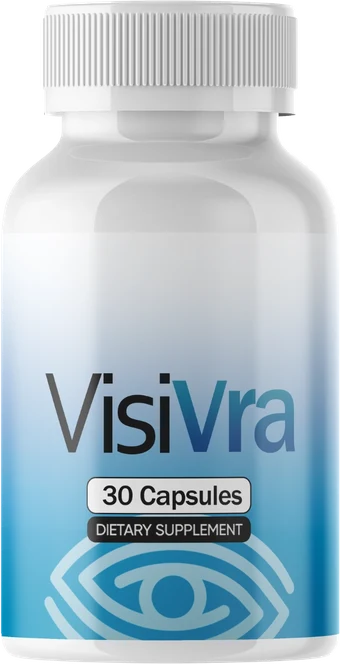
Quick answer: The official Visivra checkout lists lutein, zeaxanthin, bilberry extract, astaxanthin, zinc and vitamin A. No amounts are published, so compare your bottle's label with research doses such as 10 mg lutein and 2 mg zeaxanthin from AREDS2.
What we know
An honesty note first
Honesty note: the official checkout names six ingredients but does not publish any amounts or serving directions. We do not invent doses. Always go by the Supplement Facts on your bottle.
For comparison, the AREDS2 study used 10 mg lutein and 2 mg zeaxanthin a day. Astaxanthin studies on eye strain used 6 to 12 mg. If your label shows similar amounts, the formula is in a research-informed range.
The six listed ingredients
Lutein
A yellow carotenoid that collects in the macula, the part of the retina used for sharp central vision. The large AREDS2 trial used 10 mg a day together with zeaxanthin.
National Eye Institute on AREDS2Zeaxanthin
Lutein's partner pigment in the macula. AREDS2 used 2 mg a day. Together they help filter blue light and act as antioxidants.
NIH Office of Dietary SupplementsBilberry extract
A European cousin of the blueberry, rich in anthocyanins. Folklore links it to night vision, but controlled studies have not confirmed that. It may add to blood thinners.
NCCIH on bilberryAstaxanthin
A red carotenoid from algae. Small studies at 6 to 12 mg a day looked at eye strain and focusing after screen work, with modest results.
Astaxanthin research on PubMedZinc
Zinc was part of the AREDS formula for people with intermediate macular degeneration (80 mg there, with copper). Long-term high doses can lower copper.
NIH fact sheet on zincVitamin A
Essential for the light-sensing cells of the retina and for night vision. Too much preformed vitamin A can be harmful, especially in pregnancy.
NIH fact sheet on vitamin AHow strong is the evidence?
| Ingredient | Main role | Evidence |
|---|---|---|
| Lutein and zeaxanthin | Macular pigment | Strong for AMD progression (AREDS2); moderate for visual performance |
| Zinc | Retinal enzymes | Part of AREDS for intermediate AMD |
| Vitamin A | Night vision | Essential nutrient; benefit only if low |
| Astaxanthin | Eye strain | Limited, small trials |
| Bilberry | Night vision folklore | Weak; not confirmed in controlled studies |
Ingredient cautions in short
- Preformed vitamin A in high amounts can harm an unborn baby and the liver.
- Zinc over 40 mg a day long-term can lower copper.
- Bilberry may add to blood thinners.
Full guidance is on the how to use page. See also what AREDS2 found.
References
- National Eye Institute: AREDS and AREDS2 studies.
- NCCIH: Bilberry.
- NIH Office of Dietary Supplements: Vitamin A.
- NIH Office of Dietary Supplements: Zinc.
- American Academy of Ophthalmology: Computers, digital devices and eye strain.
- CDC: Vision and eye health.
Frequently asked questions
General information, not medical advice. Visivra is a dietary supplement and is not intended to diagnose, treat, cure or prevent any disease.